About
Hi, I am Amirmehdi Zarrinnezhad. I hold a Bachelor of Science degree in Computer Engineering from Amirkabir University of Technology (Tehran Polytechnic), with a major focus on artificial intelligence and a minor in computer networks, culminating in a Bachelor's thesis on graph neural networks for node regression.
I currently work as an AI researcher. My most recent research focuses on developing generative and diffusion-based approaches to model brain signal dynamics, as part of the N3HUB Initiatives at MIT, under the supervision of Dr. Nima Dehghani.
Beyond this, I have a genuine interest in machine learning research and its applications, and I enjoy engaging with a range of problems across the field. I see this breadth as an asset at this stage, and I look forward to sharpening my focus as I move forward in my graduate studies.
Research Interests
Education
Bachelor of Science in Computer Engineering | Amirkabir University of Technology (Tehran Polytechnic)
GPA: 3.95/4 (19.14/20, last 60 units)
High School Diploma in Mathematics & Physics | National Organization for Development of Exceptional Talents (Sampad)
GPA (Diploma): 19.47/20
Selected Bachelor's Coursework
Artificial Intelligence — perfect 4/4 credits per course
Computer Networks — perfect 4/4 credits per course
Software & Hardware — perfect 4/4 credits per course
Research & Professional Development — perfect 4/4 credits per course
Honours
- Admitted to the M.Sc. program in Computer Science at the University of Montreal (Fall 2026) with a Graduate Exemption Scholarship.
- Selected as an Outstanding Student (GPA based) and among the top-ranked undergraduates, Amirkabir University of Technology.
- Awarded a 4-year scholarship from Amirkabir University of Technology.
- Ranked in the top 2% among more than 140,000 applicants of the nationwide University Entrance Exam.
- National Organization for Development of Exceptional Talents (Sampad) Member
Research Experience
Generative Modeling of Neural Signals using Diffusion Models | Research Assistant, N3HUB Initiatives, MIT
Remote research collaboration, under the supervision of Dr. Nima Dehghani.
- Approach: Applying diffusion probabilistic models to synthesize and analyze continuous neural signals (e.g., LFPs), exploring Stable Diffusion, classifier-free guidance, and DiffWave architectures for neural time-series generation.
- Evaluation: Adapting generative-modeling metrics — including FID and PSD — for non-image, time-series outputs, with a focus on interpretability, reproducibility, and alignment with established cortical dynamics.
- Lab contributions: Presented related papers and led discussions during lab meetings — including a session on Classifier-Free Guidance (Ho & Salimans, 2022), a core conditioning technique underlying the group's diffusion-based generation work — helping keep the group current on developments in diffusion models and generative modeling.
- Status: Manuscript in preparation.
Computational Neuroscience | Neuromatch Academy
A three-week, full-time intensive (8 hours/day, 5 days/week) at the intersection of neuroscience and machine learning, covering modeling, machine learning, dynamical systems, stochastic processes, and causality — taught in a pod of ~15 students with a dedicated Teaching Assistant.
- Project: Contributed to "Modulation of Neural Activity by Prior Expectations," an 11-member team project investigating whether behavioral prior expectations modulate neural activity in the IBL brain-wide decision-making dataset, across sensory, motor, and associative regions (VISp, LGd, ACAd, ORBvl, MOs, GRN).
- My contribution: Led the population-level analysis — using PCA to visualize how neural trajectories diverged between left- and right-prior blocks across brain regions, and training logistic-regression classifiers to decode the prior condition from regional activity — alongside general team analysis, discussion, and write-up.
- Findings: Prior modulation was sparse and region-selective: weak on average at the population level, but present in a subset of single neurons and reflected in distinct population-level trajectories across regions.
- Completed the interactive track and the course project — 128 hours total.
Course page → · Course book → · View certificate →
Certificate:
Comparative Analysis of Graph Neural Networks for Node Regression | Bachelor's Thesis, Amirkabir University of Technology
Under the supervision of Prof. Mostafa H. Chehreghani.
Conducted a Bachelor's Research Project, focusing on node regression within graph structures and performing a comparative analysis of Graph Neural Network models for node regression.
- Dataset & Data preprocessing: Wikipedia article networks dataset named "Wiki-Squirrel dataset" containing three different topics: "Chameleon", "Crocodile", and "Squirrel". Conducted different data preprocessing tasks, including normalization, outlier handling, and one-hot encoding, to ensure data quality and consistency.
- GNN Models: Implemented and fine-tuned four distinct Graph Neural Network (GNN) models — GCN, GAT, GATv2, and GraphSAGE — exploring diverse architectural approaches for node regression tasks. Additionally, designed and applied four unique loss functions — MSE, RMSE, MAE, and MAPE — to compare their effectiveness.
- Analysis: Executed a comparative analysis to evaluate and compare the performance of GNN models and loss functions across multiple datasets.
Teaching Experience
Eight terms as a Teaching Assistant across four courses, at Amirkabir University of Technology and Iran University of Science and Technology — designing and grading assignments, projects, and exams; running instructional sessions; and supporting students directly.
Algorithm Design
Instructor: Prof. Alireza Bagheri
Algorithm Design
Instructor: Prof. Sajad Shirali-Shahreza
Internet of Things
Instructor: Prof. Mehdi Rasti
- Covered Arduino, Zigbee, Blynk, Proteus, and several IoT network concepts; produced hands-on instructional videos alongside the theoretical material.
Internet of Things
Instructor: Prof. Siavash Khorsandi
Software Engineering
Instructor: Prof. Faezeh Gohari
- Covered software architecture, software quality, SonarQube, and testing.
Database Systems
Instructor: Prof. Fatemeh Baharifard
- Covered relational databases, integrity constraints, and RDB operations.
Work Experience
MLOps Engineering Program | Quera
Completed a 170+ hour, 5-week intensive bootcamp (45 hours coursework, 125+ hours hands-on practical work) covering reproducible ML pipelines, experiment tracking, model serving, and CI/CD — with a perfect score.
(Quera is one of the largest programming platforms and developer communities in Iran, offering programming education, skill assessment, and coding contests — partnered with 880+ universities and training centers, including Sharif and Amirkabir University of Technology, and used by 3,600+ companies for technical hiring.)
- Data pipelines & optimization: Built idempotent ETL pipelines over multi-million-row tabular datasets (Airbnb and Olist transactional data) with full reproducibility via DVC and Git, and tuned complex PostgreSQL queries with CTEs and materialized views to prevent memory exhaustion and data leakage.
- Experiment tracking & model governance: Logged hyperparameters, metrics, and artifacts with MLflow; managed model lifecycle promotion through a centralized Model Registry.
- Production deployment: Built low-latency REST APIs with FastAPI and Pydantic v2, containerized with multi-stage Docker builds and Kubernetes manifests with health checks, and orchestrated pipelines with Apache Airflow DAGs.
- Semantic search & vector retrieval: Generated dense sentence embeddings with a Hugging Face sentence-transformers model, indexed them in Qdrant for cosine-similarity vector search, and built a hybrid retrieval pipeline bridging Qdrant with PostgreSQL for full metadata hydration.
Bootcamp page → · View certificate →
Certificate:
Backend Developer | NavaaCo
NavaaCo is a high-tech-focused team presenting high-class web pages and web applications, mobile applications, product design, and far more services on the way to give a real shape to their plans.
- Hands-on experience working with technologies like Django and Git, and developed Django services.
- Collaborating cross-functionally with business users, project managers, and other engineers to implement practical solutions.
Projects
Explore a selection of my academic and miscellaneous projects, each with its own repository. Click on each item for details and descriptions. Dive into the code by visiting their respective repositories (linked) or through my GitHub profile!
Projects Gallery
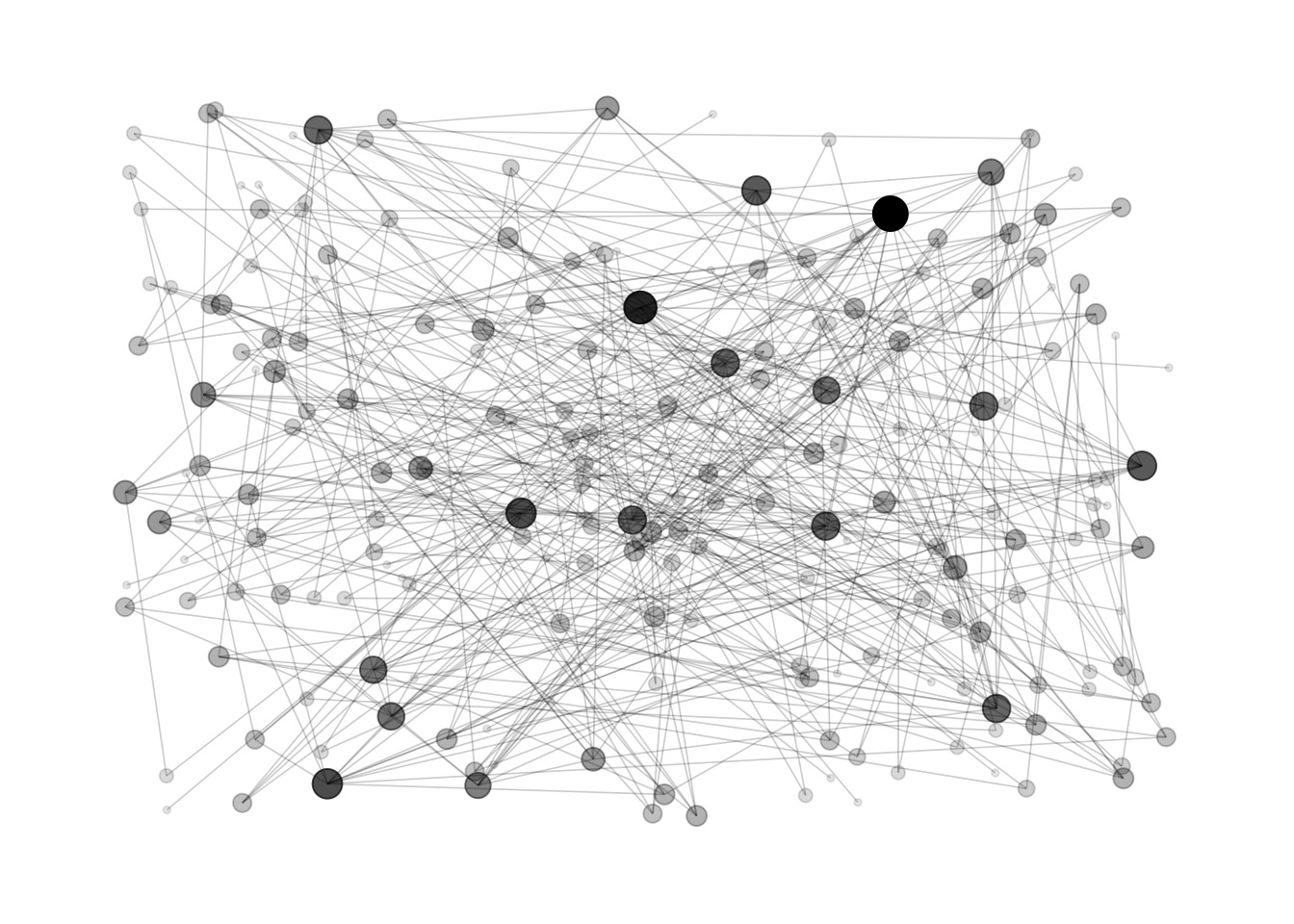
GNN Node Regression
Bachelor's Research Project focused on node regression with Graph Neural Networks.
Graph Neural Networks, Node Regression, Wiki-Squirrel, PyTorch...
Github Link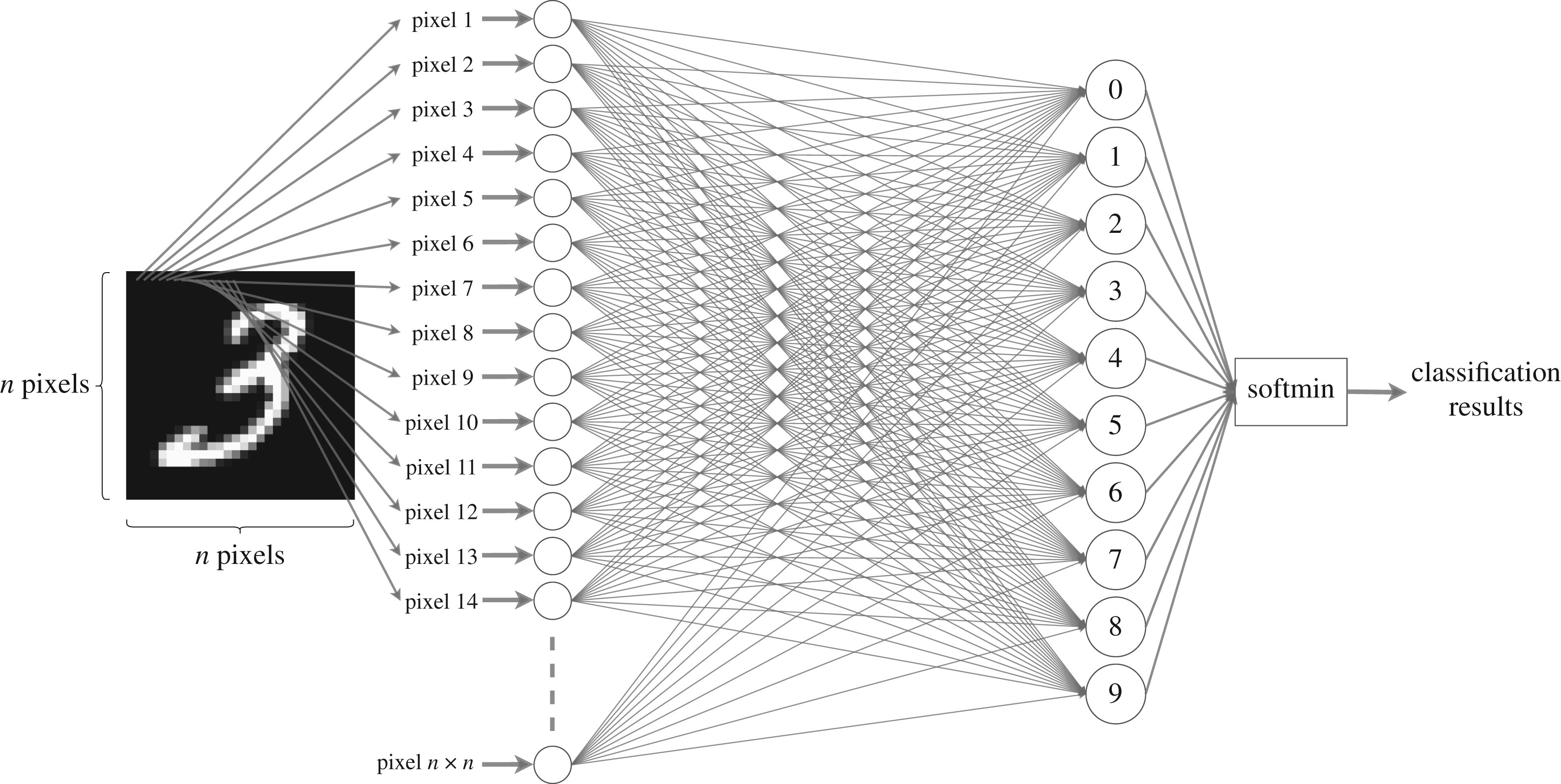
Computational Intelligence
3 different projects.
Neural Network, Fuzzy System, Evolutionary Algorithms, Classification...

Bioinformatics
4 different projects.
Semi-Global Alignment, Star-Alignment (Multiple Sequence)...
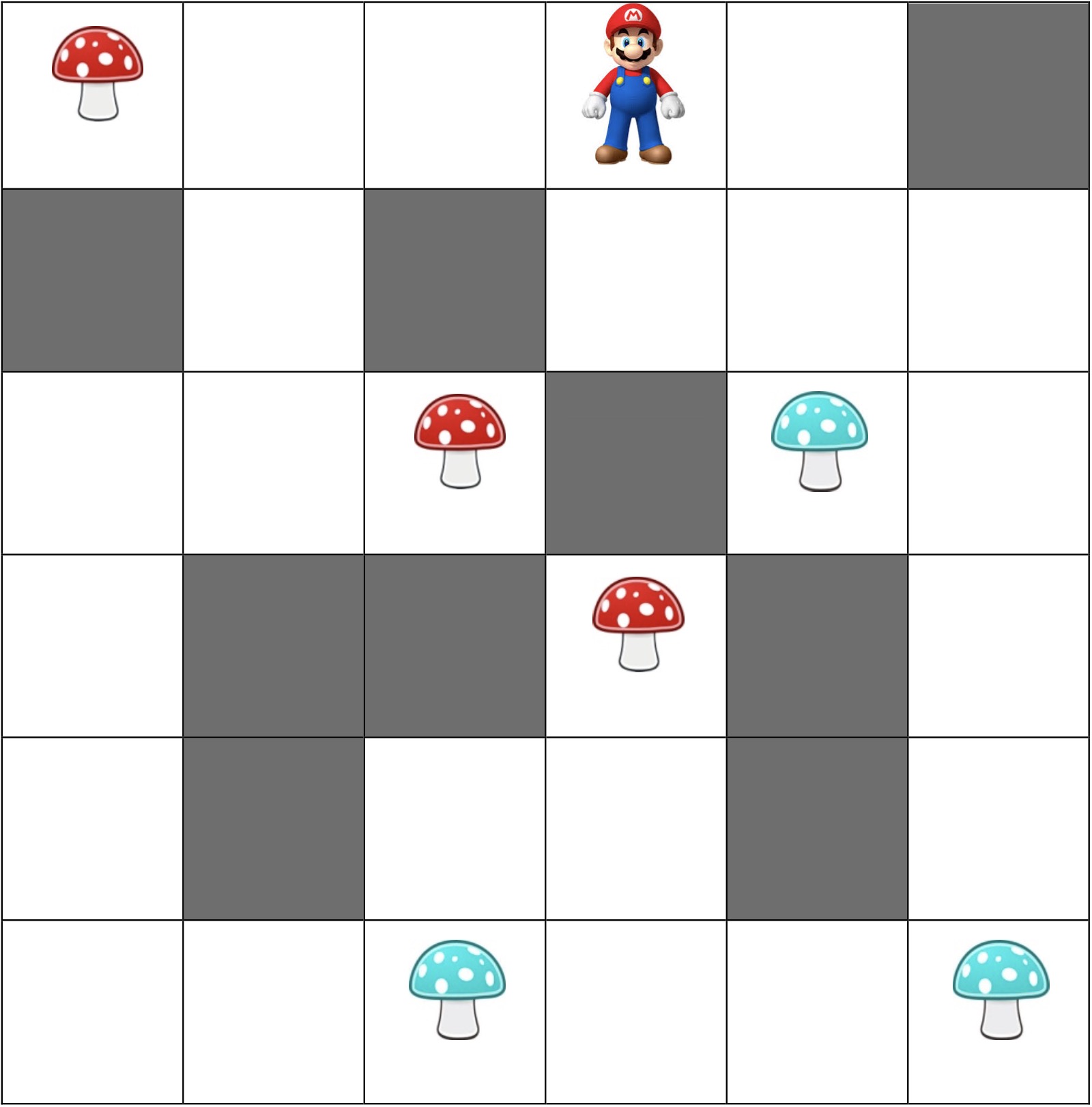
Artificial Intelligence
3 different projects.
Search algorithms, DFS, Bidirectional, LRTA*, NLP, n-gram...

Information Retrieval
Search Engine.
Word Embedding, K-means, KNN, Inverted Index, NLP...
Github Link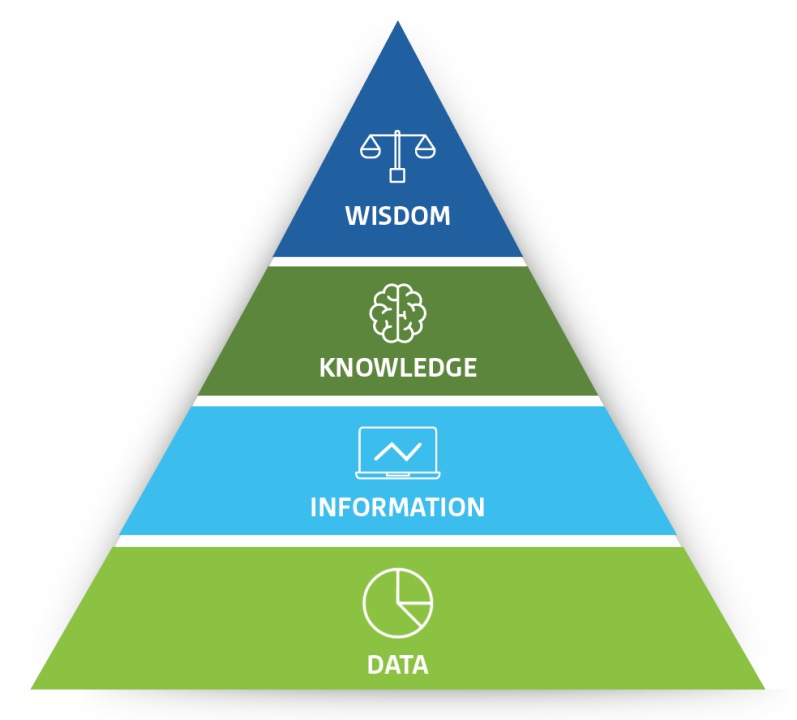
Data Mining
4 different projects.
Jupyter Notebook, Scikit-learn, Pandas, NumPy, Data Preprocessing...


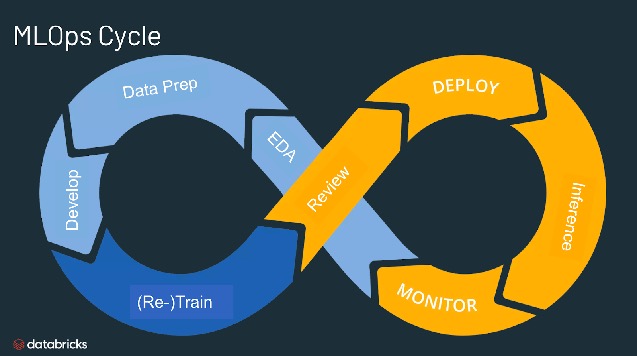
MLOps Pipeline
End-to-end MLOps pipeline covering reproducible data pipelines, experiment tracking, model serving, and production deployment.
FastAPI, MLflow, Docker, Kubernetes, Airflow...
Github LinkPresentations
Slides Gallery

Graph Neural Networks - Node Regression
Bachelor's Research Project – GNN – Data Mining
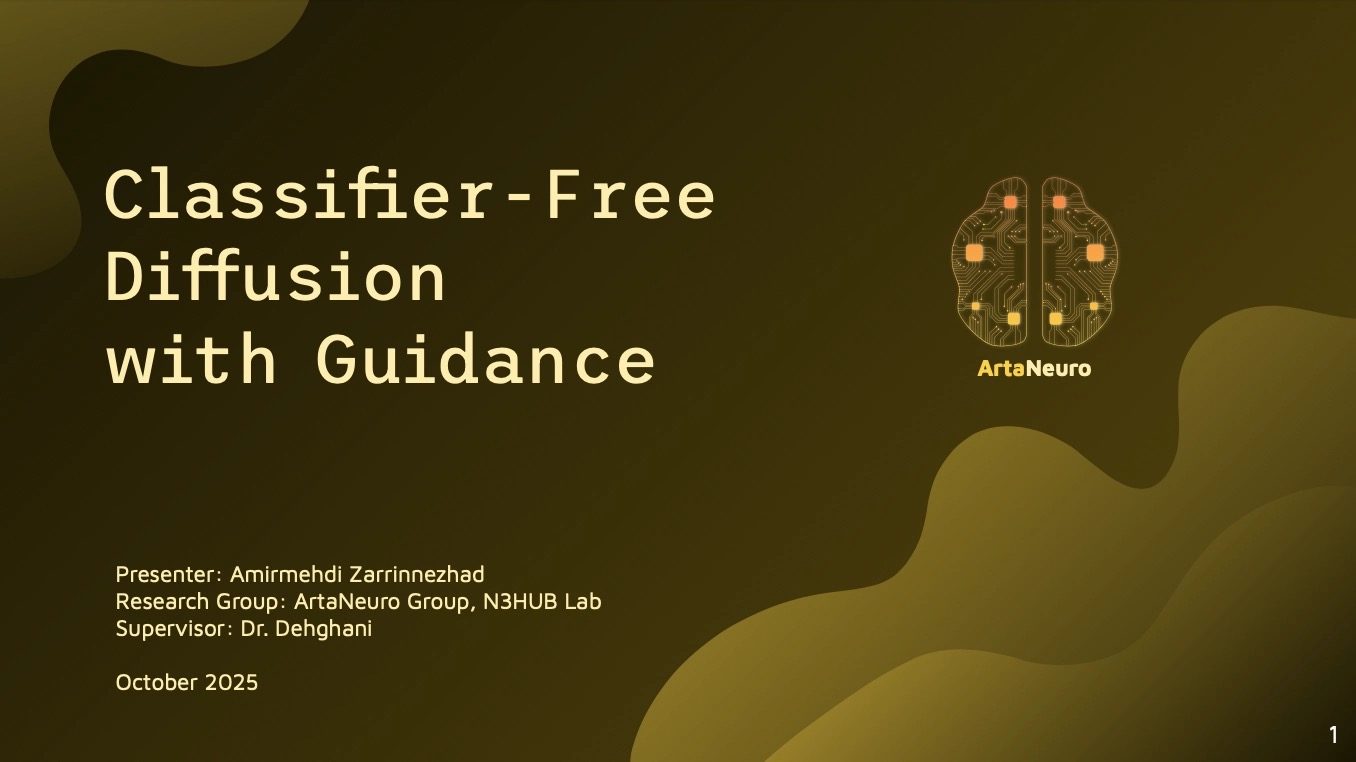
Classifier-Free Diffusion with Guidance
N3HUB Lab Presentation – Diffusion Models, Generative AI

Clean Code & Clean Architecture
Clean Code
Encoder – Decoder
Data Mining

Tabligh Kon
Startup

Systemic Thinking
Startup - Management and Business

EBook-Reader
Mobile Programming
Natural Language Processing
Technical English

Risk and Liability in Engineering
Engineering Ethics

Meaningful Names
Research Method & Report Writing
Videos Gallery
Clean Code & Clean Architecture
Clean Code
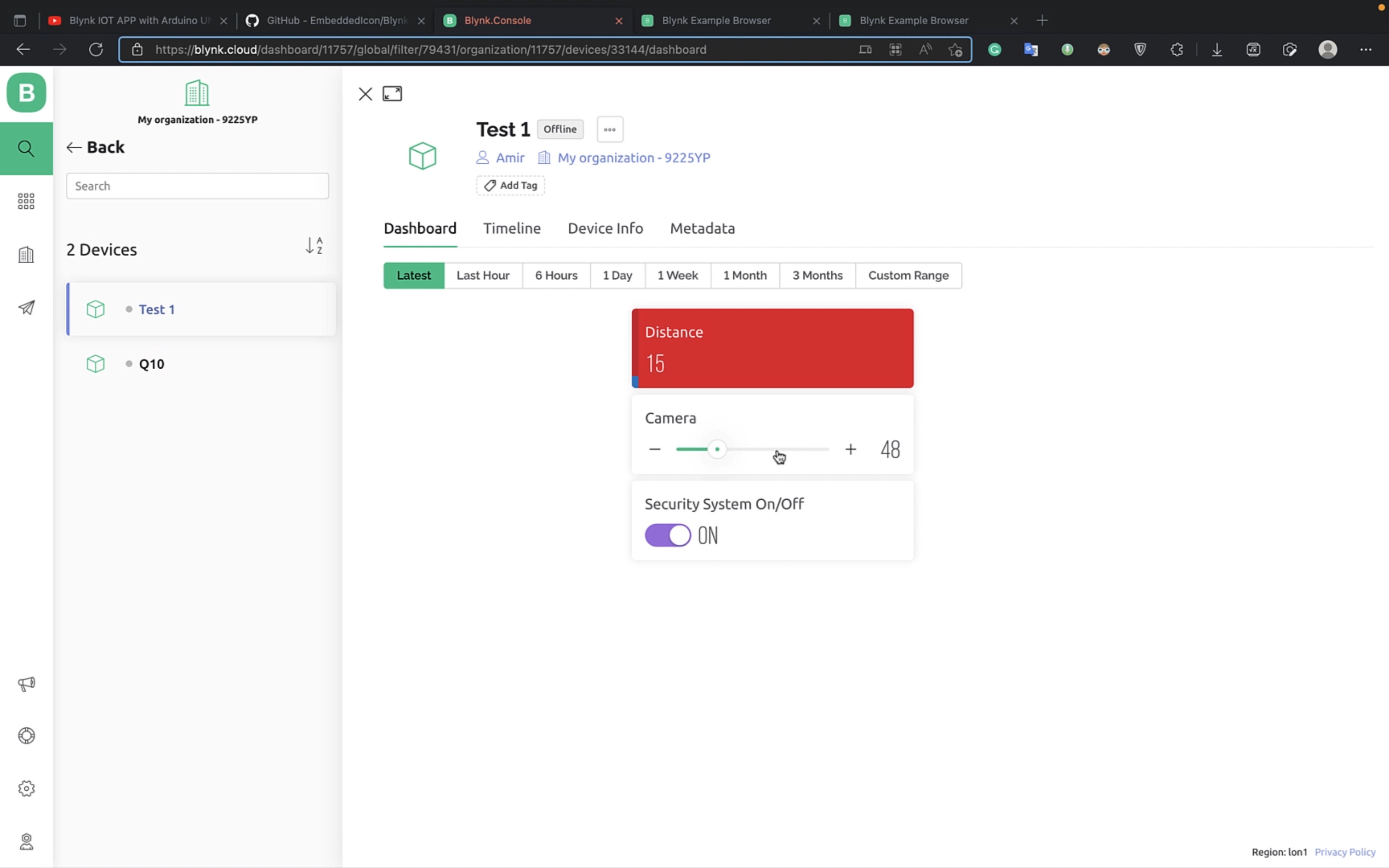
Zigbee & Blynk in Proteus (Hands-on)
Internet of Things
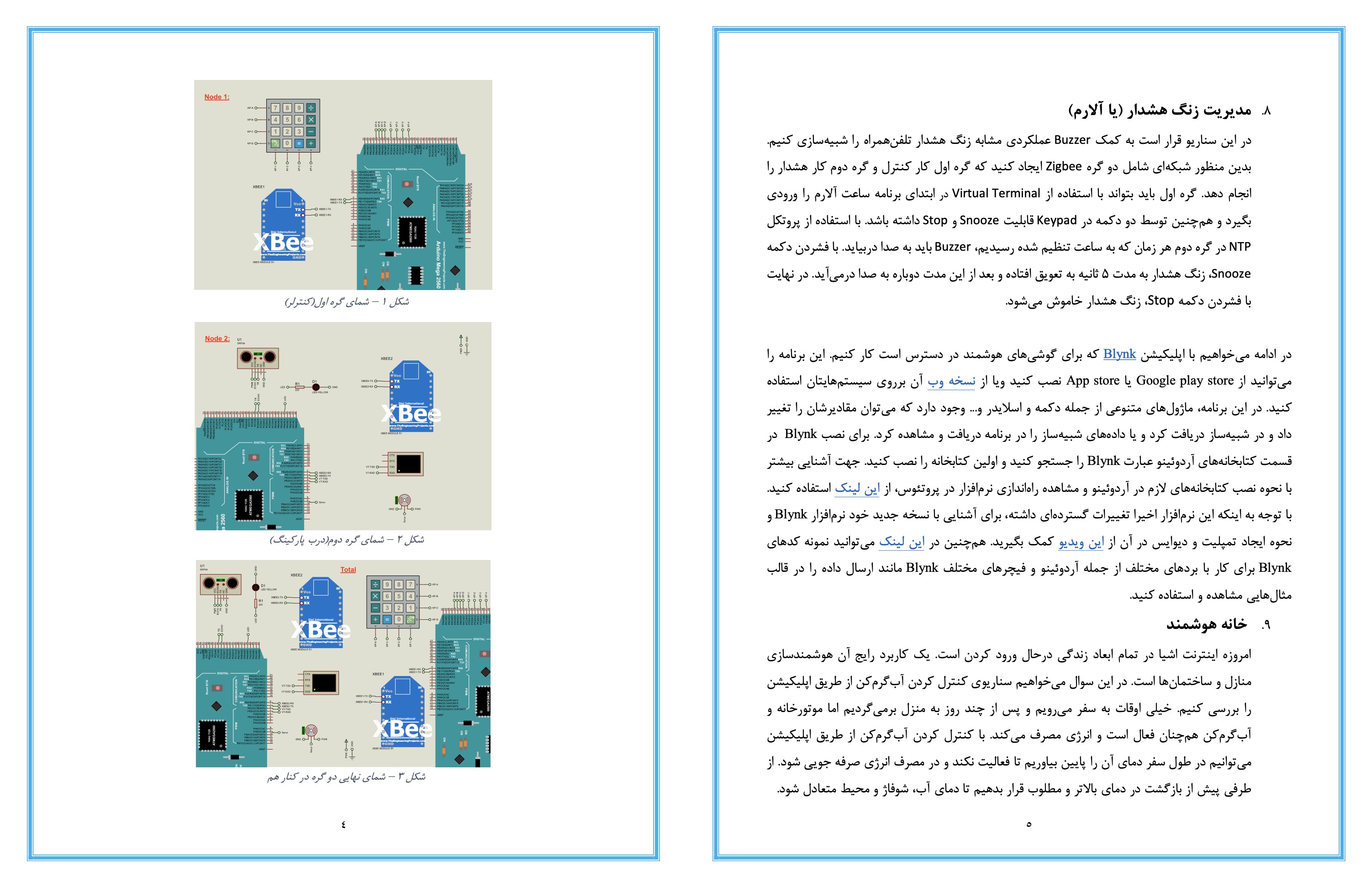
IoT Scenarios
Internet of Things
Meaningful Names
Research Method & Report Writings
Skills
Professional Skills
Language Skills
Hobbies & Volunteer Experience
Volunteering
First Aid (Certificate, Volunteering)
Certified in a comprehensive First Aid course by the Red Crescent. Acquired practical skills in emergency response, CPR, and basic medical assistance.
Certificates:
Membership
Neuroscience Journal Club
Neuroscience journal club membership at IPM (Institute for Research in Fundamental Sciences)
Sports
Conquered various high peaks, the highest of which was Damavand with a height of 5,610 meters (18,400 feet), the highest summit in Iran.
More of this side of things on Instagram.